


A guide for couples · By Adrian Mazur
Your wedding.
As it happens.
You have gathered your favourite people in one place. There are promises to make, stories to hear and a celebration to enjoy. Reportage wedding photography leaves room for all of it.
This guide explains what the approach means, how it can work alongside family photographs and portraits, and what to look for when choosing the person who will photograph your day.

01 · The approach
What is reportage wedding photography?
Reportage wedding photography tells the story of a wedding through events as they happen. The photographer watches for gestures, reactions and relationships, using timing, light and composition to turn those moments into photographs. During the documentary parts of the day, people are not asked to repeat a hug, manufacture a laugh or recreate an emotional reaction.
You will also hear the terms documentary wedding photography and wedding photojournalism. They broadly describe the same observational approach, although individual photographers work differently. Some offer entirely unposed coverage; others combine a documentary foundation with a little time for portraits and family groups.
For you, the useful question is what that approach feels like in practice. How much of the day can you spend with your guests? When will the photographer offer guidance? What happens during portraits? Those answers tell you more than a label on a website.
02 · Beyond the obvious
The photographs between the photographs.
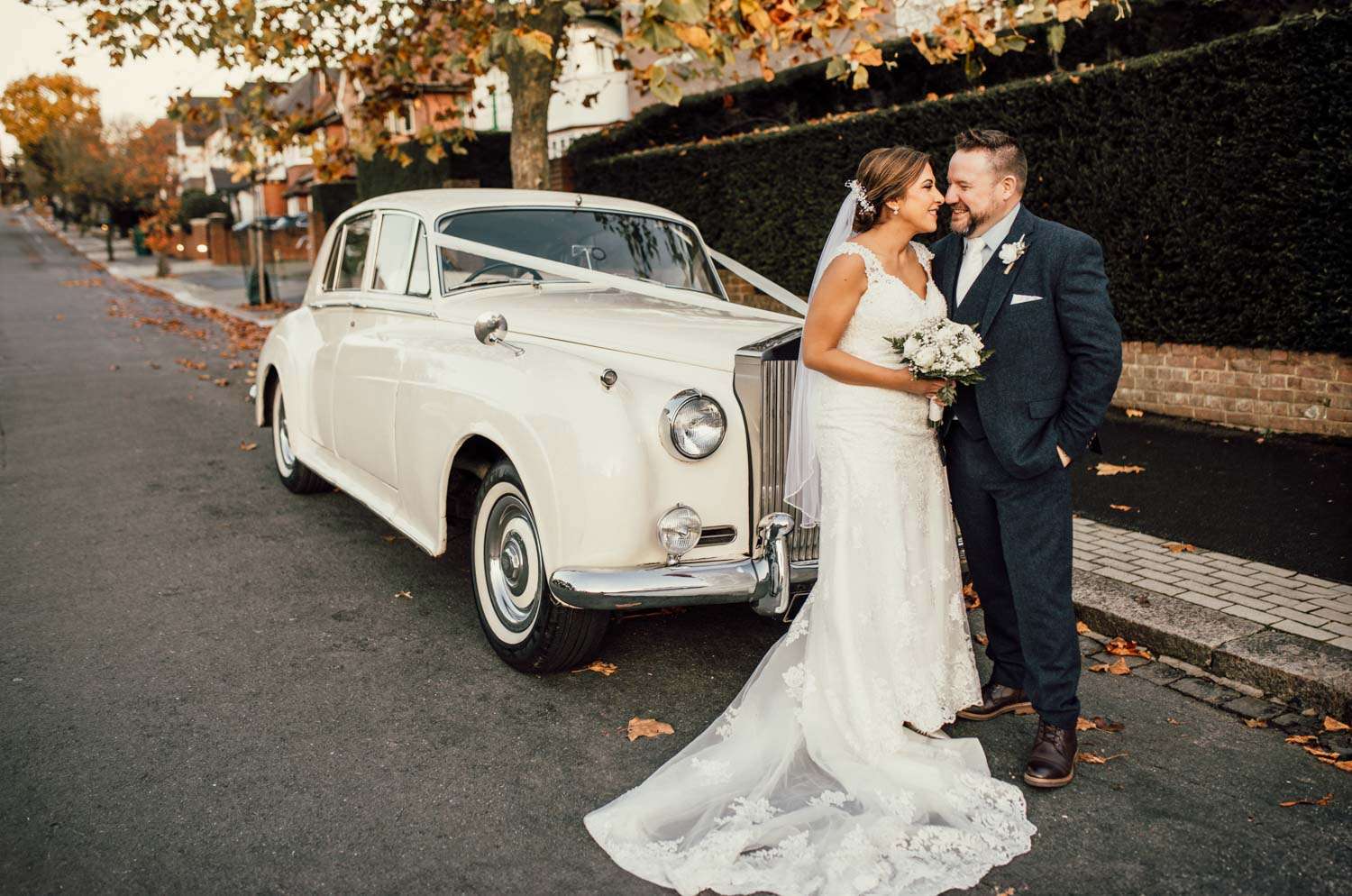
The ceremony, confetti and first dance give a wedding its familiar landmarks. But a gallery can also hold the conversations around those events: someone steadying a nervous hand, friends finding each other across a crowded room, a child deciding that the speeches have lasted quite long enough.
These are examples of the kinds of moments I look for, rather than a list to make happen. Their value comes from the people involved. A photograph that seems small to a stranger can become a favourite because it captures an expression you know so well.
A strong wedding story has variety. Wider frames establish the room and atmosphere. Closer photographs draw you into a reaction. Details give a sense of place, and quieter images allow the louder ones to breathe. Seen together, they help you remember the flow of the day, including parts you could not have watched yourself.
03 · Photographing your day
Close enough to notice. Room to be yourselves.
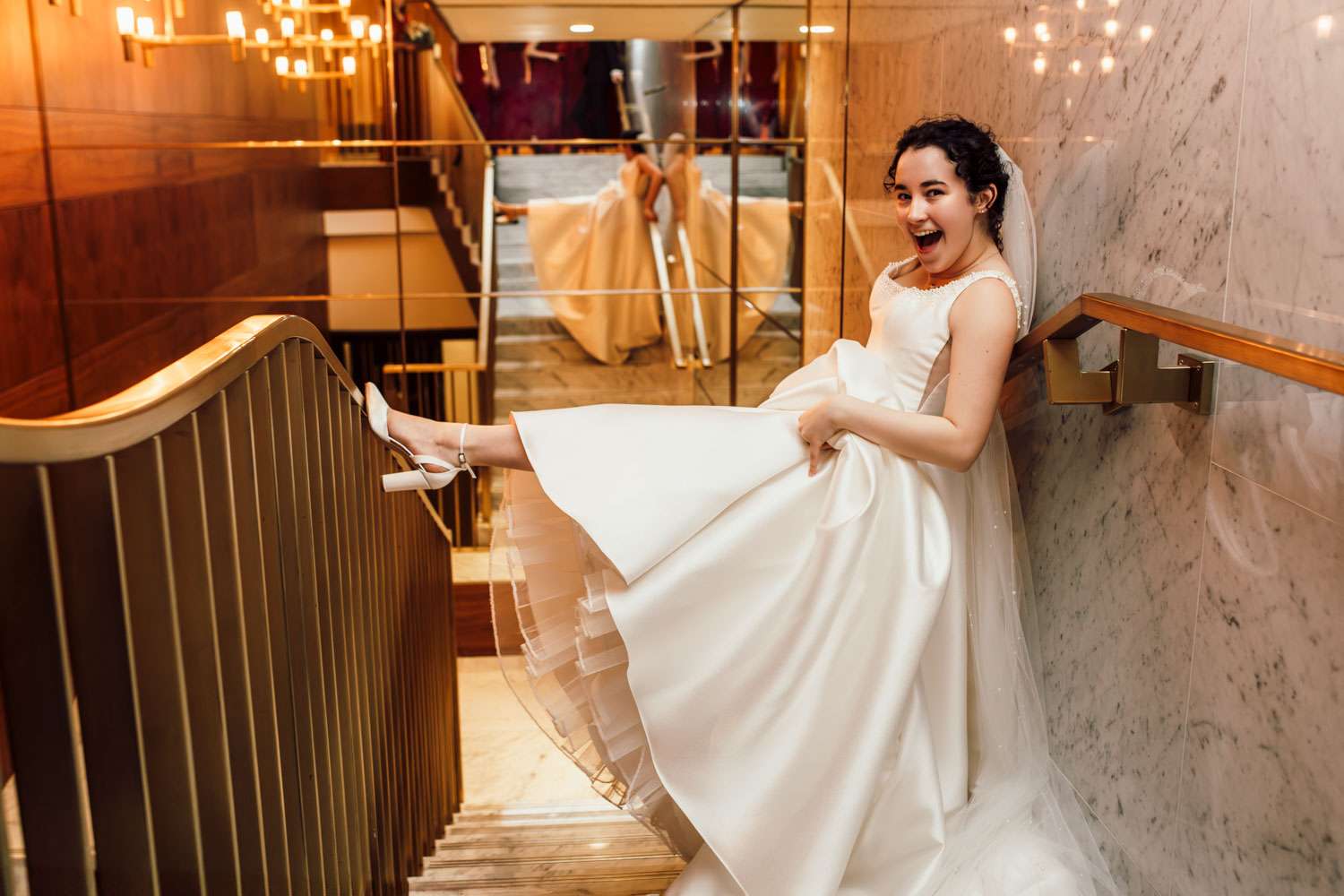
I am Adrian, a London wedding photographer, and I have been photographing weddings since 2015. My approach is documentary at heart, with space for relaxed portraits. I want you to enjoy the celebration while I pay attention to the people, the light and the changing energy around you.
Being unobtrusive does not mean remaining in one distant corner. Sometimes the photograph needs a wider view; sometimes it means being close enough to see a fleeting expression. I move with the day, make decisions about where to stand, and work around what is happening.
Before the wedding, we can talk about the people who matter most, the shape of the celebration and anything you would like me to know. That context helps me recognise meaningful connections without needing to interrupt them. You can explore more about my documentary approach or browse the wedding portfolio to see how the photographs feel together.

04 · A little time for portraits
Can we still have family photographs?
Yes. Choosing reportage photography does not mean giving up photographs with the people you love. A family group has a different purpose from an unposed moment, and both can have a place in your collection.
We can agree a manageable group list beforehand and decide when it fits naturally into the day. It helps to nominate someone who knows the guests and can gather the next group. If there are family sensitivities, mobility needs or people who need to leave early, tell me in advance so we can plan thoughtfully.
Couple portraits can be relaxed, too. We can take a little time away together, find good light and use simple guidance where it helps. Those are portraits, even when they feel easy and spontaneous. The rest of the day can then continue with an observational approach.
The balance is personal. If you love portraits, we can make room for them. If spending time at the drinks reception matters more, say so. Discussing that preference before the wedding makes the experience clearer for everyone.
05 · Feeling comfortable
What if we feel awkward in front of a camera?
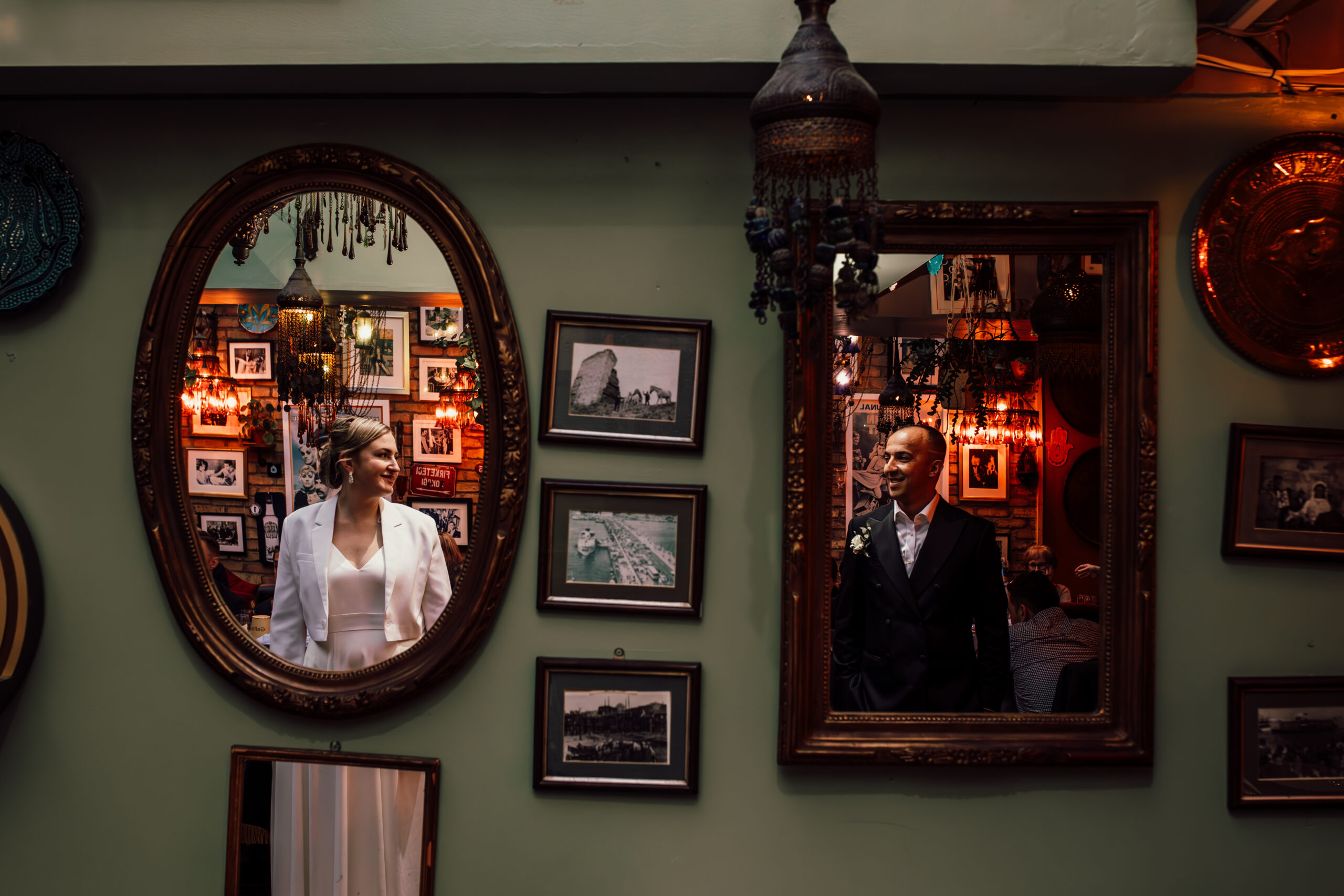
You do not need to arrive knowing how to pose. For much of a documentary wedding day, there is something more interesting to concentrate on: the person you are marrying, the ceremony, the conversation beside you.
A conversation before booking can help you decide whether you feel comfortable with your photographer. Talk about what makes you nervous. Perhaps you dislike being watched, worry about your smile or simply do not want photography to take over. There is no need to pretend those concerns are unusual.
On the day, you do not have to look towards the camera every time you notice it. Keep talking, listen to the speeches and enjoy being with your people. During portraits, I can offer clear, simple guidance so you are not left wondering what to do.
No photographer can promise that you will forget the camera every second. What we can do is build familiarity, explain the process and leave you room to settle into the day.

06 · Making space for the day
How to plan for natural wedding photographs.
You do not need to design a wedding around photographs. A few practical conversations can simply make it easier to enjoy what you have planned.
- Leave breathing room. Allow realistic time for travel, greetings and moving between spaces. A little flexibility gives you time with guests and makes small delays easier to absorb.
- Share the important context. Tell your photographer about meaningful traditions, surprises and relationships. A list of key people is more helpful than dozens of example poses.
- Check ceremony arrangements. Ask your venue or officiant about photography rules, movement and flash. Share the answers in advance so coverage can be planned around them.
- Keep family groups organised. Agree the combinations you really want, choose a suitable point in the schedule and have a familiar face help gather people.
- Have a weather option. Discuss indoor spaces and sheltered locations. London weather can change; knowing the alternatives saves decisions on the day.
- Protect time to enjoy yourselves. You do not need to fill every gap. Conversations, food and a few unhurried minutes together are part of the wedding, too.
A documentary approach works with the celebration you are having. It does not require a particular venue, a grand itinerary or a room full of extroverts.

07 · Finding your photographer
Look for a story you can step into.
When comparing photographers, ask to see a complete wedding gallery where available, rather than judging only a handful of highlights. Notice whether you understand the day as you move through it. Are there photographs of guests as well as the couple? Do quieter moments receive attention? How does the photographer handle the ceremony, reception and evening?
Pay attention to editing, too. Reportage describes how photographs are made; it does not require a single colour palette. Look at skin tones, consistency across different lighting conditions and whether both colour and black-and-white images appeal to you.
Then ask practical questions: How do you approach groups? How much time would you suggest for portraits? What happens in a dark room? What coverage, delivery and backup arrangements are included? Clear answers help you choose someone whose working style suits your plans.
Price is easier to compare when you understand what each collection includes. You can see my current coverage and pricing, read reviews from couples and visit my FAQ for booking and delivery details.

08 · A few useful answers
Reportage wedding photography FAQs.
Is reportage the same as documentary wedding photography?
The terms are often used interchangeably for an approach centred on real events and unposed moments. Photographers differ in how they combine this with portraits, so ask about the actual experience.
Does every photograph have to be black and white?
No. Reportage is an approach to photographing events, rather than a rule about colour. My editing is natural, with colour and black-and-white photographs where they suit the story.
Can a reportage photographer use flash?
Yes. Flash is a lighting tool; using it does not by itself make an event staged. I work with available light where it suits the scene and use flash when needed, including in darker spaces and on the dance floor, subject to venue rules.
Does this approach work for a small wedding?
Yes. A smaller celebration still has relationships, atmosphere and a story. We can discuss coverage around what you are planning, whether that is a short London ceremony or a longer celebration.
Do you photograph weddings outside London?
Yes. I am based in London and photograph weddings across the UK and abroad. Travel arrangements and the right coverage for your plans can be discussed before booking.
London · Across the UK · Destinations
A day to live.
A story to come back to.
If you want photographs full of your people, your atmosphere and the moments you did not plan, I would love to hear what you have in mind.
Tell me about your wedding ↗